下雪了
Snow yesterday
小语:昨天下雪了。
李文:今天下雨了吗?
安娜:今天下雨了。今天有雨。
小语:今天天气很冷。
 HSK 1
HSK 1 Talk about snow, rain, and cold weather, and mark the new situation with 了.
New HSK Course 1, official lesson 12, part 1 of 2.


change-of-state / completed particle
Here 了 marks a new situation, not only a finished action.
Listen for 了 at the end.
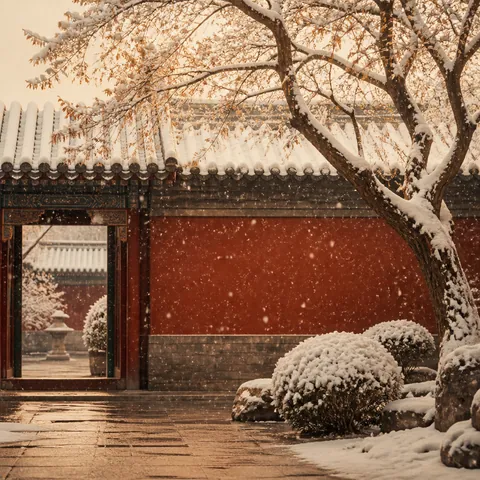
snow
雪 is snow. 下雪 means it snows.
Practice 下雪了.

to rain
下雨 is the weather action for rain.
Keep 下 and 雨 together.

rain
雨 is the rain itself.
You will also hear it inside 下雨.

weather
天气 names the day's weather.
Ask 天气怎么样 later.

cold
冷 describes cold weather or a cold feeling.
Put 很 before 冷.
Pick one item from each column. When all three belong together, they lock in as a match.
Put 了 at the end when a new weather situation has arrived.
了 at the end can mark a new situation: 下雪了, 我生病了. The world is different now.
Translate: It has started snowing.
Listen for 了 at the end.
Write the Chinese word for "cold".
冷 describes cold weather or a cold feeling.
Continue in order when you can. You can also open any app lesson whenever it is useful.
下雪了
小语:昨天下雪了。
李文:今天下雨了吗?
安娜:今天下雨了。今天有雨。
小语:今天天气很冷。
Choose the best answer for each question.
Write one sentence saying it snowed yesterday.
Type your answer in Chinese or English where it fits.
Which new word means "change-of-state / completed particle"?
Type your answer in Chinese or English where it fits.
Which new word means "cold"?
Review this app lesson whenever you need it, or continue when you feel ready.
Would you like more lessons like this one?