李文的一天
Li Wen's workday
小语:你早上上班吗?
李文:早上我上班。中午我休息两小时。
安娜:晚上几点下班?
李文:晚上六点半下班。下班吧!
 HSK 1
HSK 1 Talk about starting and finishing work, name early morning and noon, and soften a plan with 吧.
New HSK Course 1, official lesson 7, part 2 of 2.


to go to work; to start work
上班 is the start of the workday.
Hear 上, then 班.

to finish work
下班 is the end of the workday.
Pair it with 上班.

early morning
早上 is earlier than 上午.
The second syllable is often light.

noon
中午 sits between 上午 and 下午.
Put 中午 before the verb.
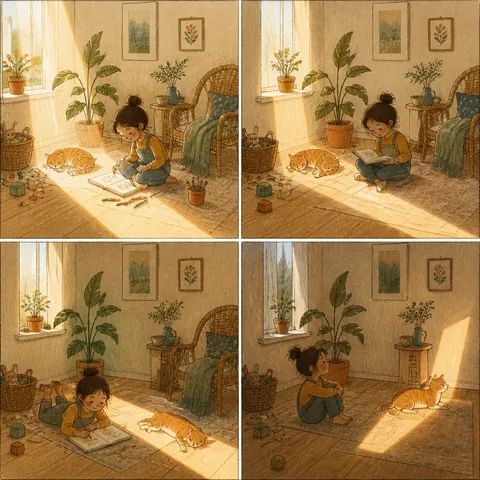
hour
小时 counts hours as a length of time, not clock time.
Use number + 小时.

suggestion particle
吧 makes a statement into a friendly suggestion.
Keep 吧 at the end.
Pick one item from each column. When all three belong together, they lock in as a match.
Keep the time first, then 上班 or 下班. Add 吧 when you suggest the plan.
Use 点 for the hour. Add 半 for half past, or 分 for minutes. Time words still come before the action.
Add 吧 at the end to make a plan sound friendly: 我们下班吧.
Translate: I go to work in the morning.
Hear 上, then 班.
Write the Chinese word for "suggestion particle".
吧 makes a statement into a friendly suggestion.
Continue in order when you can. You can also open any app lesson whenever it is useful.
李文的一天
小语:你早上上班吗?
李文:早上我上班。中午我休息两小时。
安娜:晚上几点下班?
李文:晚上六点半下班。下班吧!
Choose the best answer for each question.
Write one sentence saying you finish work at 6:30 in the evening.
Type your answer in Chinese or English where it fits.
Which new word means "to go to work"?
Type your answer in Chinese or English where it fits.
Which new word means "suggestion particle"?
Review this app lesson whenever you need it, or continue when you feel ready.
Would you like more lessons like this one?