坐什么车?
Bus, subway, or taxi?
马克:车站近吗?
小李:车站有点儿远,公共汽车也不快。
安娜:地铁很快。
小李:我们还是打车去吧。
 HSK 2
HSK 2 Compare the bus and subway by distance and speed, then confirm the best transport choice.
New HSK Course 2, official lesson 2, part 2 of 2.

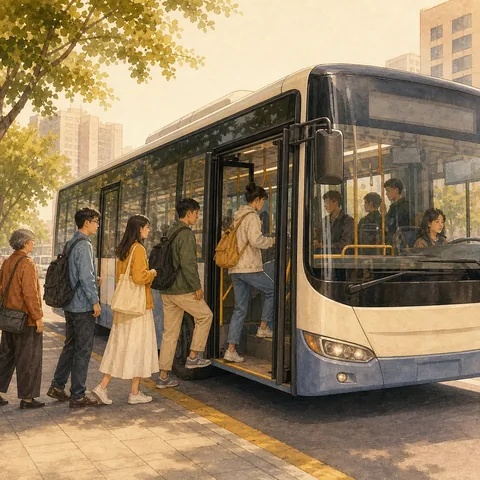
bus
A formal word for city bus.
Use 坐公共汽车 when comparing transport choices.
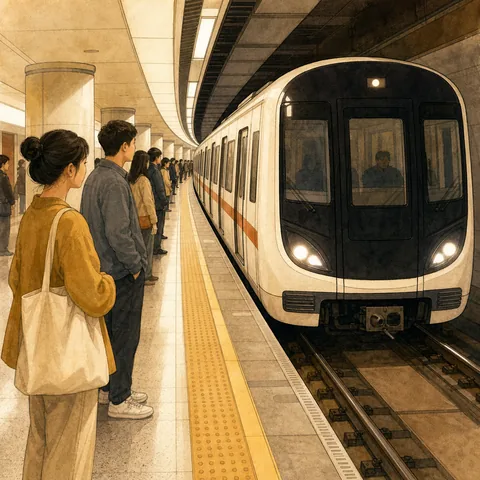
subway; metro
A common way to travel across Beijing.
Pair it with 坐: 坐地铁.

far
Use 远 when distance makes travel harder.
Ask 远吗? when checking distance.

near
The opposite of 远.
Compare places with 很远 and 很近.

fast; quick
Useful when explaining why one route is better.
Say 很快 after the transport choice.

station; stop
Can refer to a bus, subway, or train station depending on context.
Use 车站 when planning where to start the trip.
Pick one item from each column. When all three belong together, they lock in as a match.
Use the same choice pattern after comparing the options, then close the decision with 吧.
Use 还是 before the option you decide on after thinking about alternatives. It often sounds like "instead" or "better to" in English.
Put 吧 at the end of a sentence to make a suggestion softer and more conversational, especially with 我们.
Translate: Is taking the bus to Peking University slow?
Use 坐公共汽车 when comparing transport choices.
Write the Chinese word for "station".
Can refer to a bus, subway, or train station depending on context.
Continue in order when you can. You can also open any app lesson whenever it is useful.
坐什么车?
马克:车站近吗?
小李:车站有点儿远,公共汽车也不快。
安娜:地铁很快。
小李:我们还是打车去吧。
Choose the best answer for each question.
Write one sentence saying the subway is fast.
Type your answer in Chinese or English where it fits.
Which new word means "bus"?
Type your answer in Chinese or English where it fits.
Which new word means "station"?
Review this app lesson whenever you need it, or continue when you feel ready.
Would you like more lessons like this one?