HSK 2
HSK 2 · App lesson 6
15-25 min 6 words Official 3.2/2 8 sections

Compare traveling by train and plane, say when to buy tickets, and describe a famous place.

New HSK Course 2, official lesson 3, part 2 of 2.
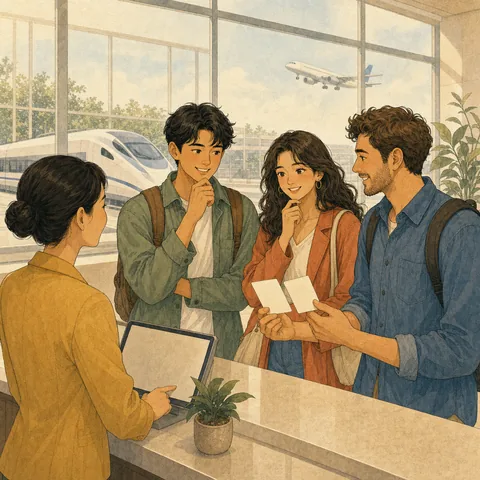
A friendly scene for choose train or plane
Vocabulary overview

First, see the whole set.

Finish the travel plan by comparing two vehicles and choosing when to buy the tickets.

Vocabulary 01 / 06
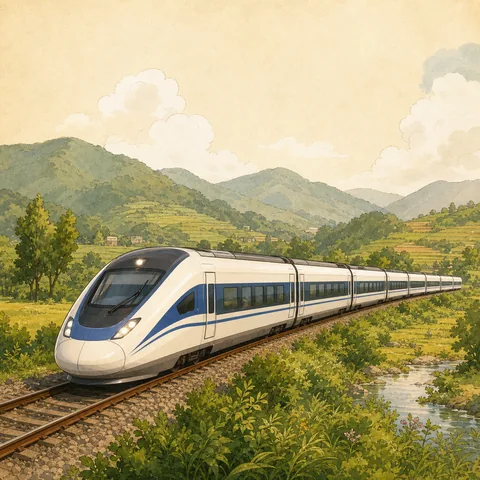
01 A friendly illustration showing train
(huǒ)(chē)

train

Model sentence
What to notice

Use 坐 with 火车, just like 坐地铁.

Try it

Compare 坐火车 and 坐飞机.

Vocabulary 02 / 06
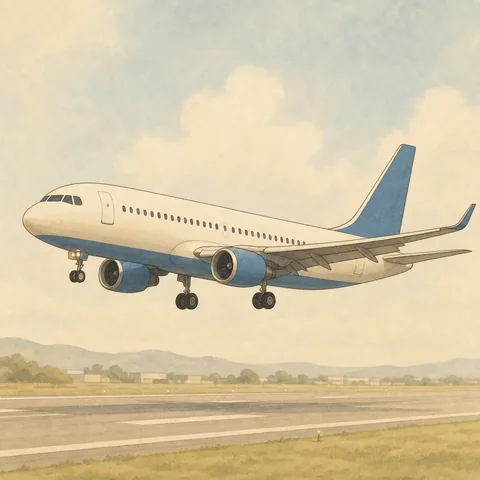
02 A friendly illustration showing airplane
(fēi)()

airplane

Model sentence
What to notice

飞机 names the vehicle, and 坐飞机 means to fly.

Try it

Use 很快 when explaining why flying is useful.

Vocabulary 03 / 06
03 A friendly illustration showing tomorrow
(míng)(tiān)

tomorrow

Model sentence
What to notice

Place 明天 near the start when setting the time.

Try it

Start a plan with 明天, then say the action.
Vocabulary 04 / 06
04 A friendly illustration showing to buy
(mǎi)

to buy

Model sentence
What to notice

买 is the action. The thing you buy comes after it.

Try it

Practice 买 + object: 买票, 买水果, 买茶.

Vocabulary 05 / 06
05 A friendly illustration showing famous
(yǒu)(míng)

famous

Model sentence
What to notice

Use 有名 to describe places, food, or people many people know.

Try it

Say 很有名 when giving a simple travel opinion.
Vocabulary 06 / 06
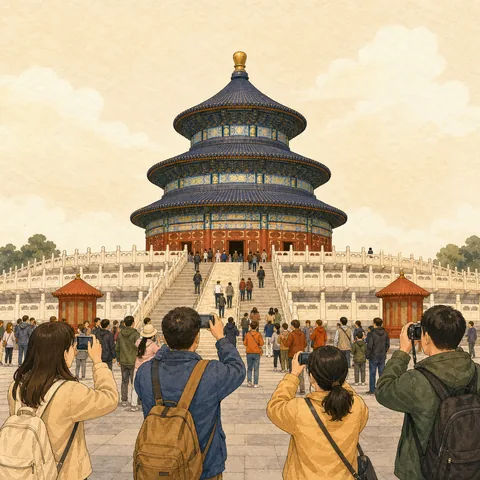
06 A friendly illustration showing place
()(fāng)

place

Model sentence
What to notice

地方 is useful when you do not need a more specific place word.

Try it

Use 一个地方 when describing a place generally.

Vocabulary match

Connect word, pinyin, and meaning.

Pick one item from each column. When all three belong together, they lock in as a match.

Word
    Pinyin
      Meaning
        Grammar

        One pattern holds the lesson together.

        Keep 想 before the action, whether the plan is to travel, buy tickets, take a train, or take a plane.

        Grammar 01 / 01
        想 + verb

        Wanting to do something with 想

        Place 想 before a verb to say what you want to do. For travel plans, 想去 + place is a very useful pattern.

        Writing drill

        Type your answer.

        Translate: Taking the train to Xi'an is convenient.

        Compare 坐火车 and 坐飞机.

        Writing drill 02 / 02

        Type your answer.

        Write the Chinese word for "place".

        地方 is useful when you do not need a more specific place word.

        Reading practice

        Continue in order when you can. You can also open any app lesson whenever it is useful.

        (míng)(tiān)(mǎi)(piào)

        Buying tickets tomorrow

        ()()西()(ān)(shì)(hěn)(yǒu)(míng)(de)()(fāng)

        (ān)()()(men)(zuò)(huǒ)(chē)()(hái)(shì)(zuò)(fēi)()()

        (xiǎo)()(fēi)()(hěn)(kuài)(huǒ)(chē)(piào)()(hǎo)(mǎi)

        ()()(míng)(tiān)()(men)(mǎi)(piào)

        Reading check

        Did you follow the story?

        Choose the best answer for each question.

        Question 1: Which two vehicles do they compare?
        Question 01

        Which two vehicles do they compare?

        Question 2: When will they buy tickets?
        Question 02

        When will they buy tickets?

        Writing practice

        Write a full sentence.

        Write one sentence saying you will buy a train ticket tomorrow.

        Official self-assessment

        Review official lessons 1 to 3.

        Type your answer in Chinese or English where it fits.

        Review official lesson 1: Complete 我___到机场了 to say already.

        Official self-assessment 02 / 03

        Review official lessons 1 to 3.

        Type your answer in Chinese or English where it fits.

        Review official lesson 2: Suggest taking a taxi to 北大.

        Official self-assessment 03 / 03

        Review official lessons 1 to 3.

        Type your answer in Chinese or English where it fits.

        Review official lesson 3: Say that you want to travel to Xi'an.

        Lesson complete

        Nice work finishing this part.

        You have reached the textbook self-assessment point. Take a moment to review official lessons 1 to 3 before continuing.

        Would you like more lessons like this one?