HSK 3
HSK 3 · App lesson 33
15-25 min 6 words Official 15.2/2 8 sections

Say you know a place, some people, general life, history, and what came later. This is also a review after three official lessons.

New HSK Course 3, official lesson 15, part 2 of 2.

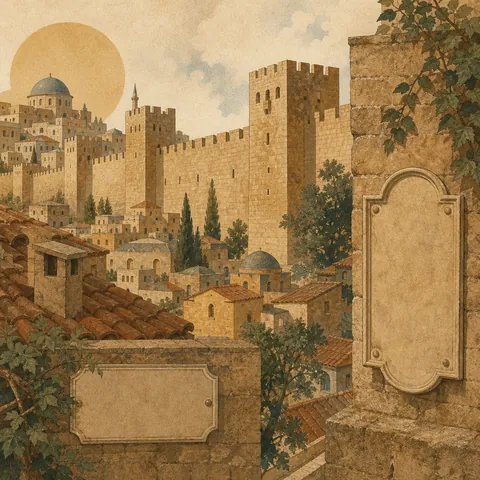
Friends looking at an old city map and historic rooftops, talking about later life there
Vocabulary overview

First, see the whole set.

Knowing a city takes time. These six words name history and what came afterwards.

Vocabulary 01 / 06
01 A friendly illustration showing to understand
(le)(jiě)

to understand; to know about

Model sentence
What to notice

了解 is knowing a place or a person fairly well.

Try it

Put the place after 了解.

Vocabulary 02 / 06
02 A friendly illustration showing some
(yǒu)(xiē)

some

Model sentence
What to notice

有些 is more than one, but not all.

Try it

Put 有些 before the noun.

Vocabulary 03 / 06
03 A friendly illustration showing ordinary
()(bān)

ordinary; generally

Model sentence
What to notice

一般 is usual, or not special.

Try it

Put 一般 at the start.

Vocabulary 04 / 06
04 A friendly illustration showing history
()(shǐ)

history

Model sentence
What to notice

历史 is the old story of a place.

Try it

Practice 有历史.

Vocabulary 05 / 06
05 A friendly illustration showing place
()(fāng)

place

Model sentence
What to notice

地方 is a place. You may know it from HSK 2 travel talk.

Try it

The second syllable is often light.

Vocabulary 06 / 06
06 A friendly illustration showing afterwards
(hòu)(lái)

afterwards

Model sentence
What to notice

后来 tells the next time in a story.

Try it

Put 后来 at the start.

Vocabulary match

Connect word, pinyin, and meaning.

Pick one item from each column. When all three belong together, they lock in as a match.

Word
    Pinyin
      Meaning
        Grammar

        One pattern holds the lesson together.

        后来 moves the story on. 了解 is knowing a place from the inside.

        Grammar 01 / 01
        过节 / 假期

        Festivals and time away

        过节 is spending a festival. 节日 names the day. 假期 is time off. 外地 is away from home. 后来 tells what came after.

        Writing drill

        Type your answer.

        Translate: I know about it.

        Put the place after 了解.

        Writing drill 02 / 02

        Type your answer.

        Write the Chinese word for "afterwards".

        后来 tells the next time in a story.

        Reading practice

        Continue in order when you can. You can also open any app lesson whenever it is useful.

        (zhè)()()(fāng)

        Knowing the city

        (liú)(míng)()(le)(jiě)(zhè)()()(fāng)

        (ān)()(yǒu)(xiē)(rén)(lái)()(wài)()

        ()()(zhè)()(chéng)(shì)()(bān)(hěn)(hǎo)(yǒu)()(shǐ)

        (wáng)()(xuě)(hòu)(lái)()()(guàn)(le)

        Reading check

        Did you follow the story?

        Choose the best answer for each question.

        Question 1: What does 刘明 know fairly well?
        Question 01

        What does 刘明 know fairly well?

        Question 2: What happened later for 王一雪?
        Question 02

        What happened later for 王一雪?

        Writing practice

        Write a full sentence.

        Write one sentence saying you know this place fairly well.

        Official self-assessment

        Review official lessons 1 to 3.

        Type your answer in Chinese or English where it fits.

        Review official lesson 13: How do you say you come from China?

        Official self-assessment 02 / 03

        Review official lessons 1 to 3.

        Type your answer in Chinese or English where it fits.

        Review official lesson 14: How do you say this book was borrowed by someone else?

        Official self-assessment 03 / 03

        Review official lessons 1 to 3.

        Type your answer in Chinese or English where it fits.

        Review official lesson 15: How do you say you know this place fairly well?

        Lesson complete

        Nice work finishing this part.

        You have reached the textbook self-assessment point. Take a moment to review official lessons 1 to 3 before continuing.

        Would you like more lessons like this one?