HSK 3
HSK 3 · App lesson 15
15-25 min 6 words Official 6.2/2 8 sections

Say you are thirsty or hungry, taste something fresh, and talk about a delay or a takeoff. This is also a review after three official lessons.

New HSK Course 3, official lesson 6, part 2 of 2.

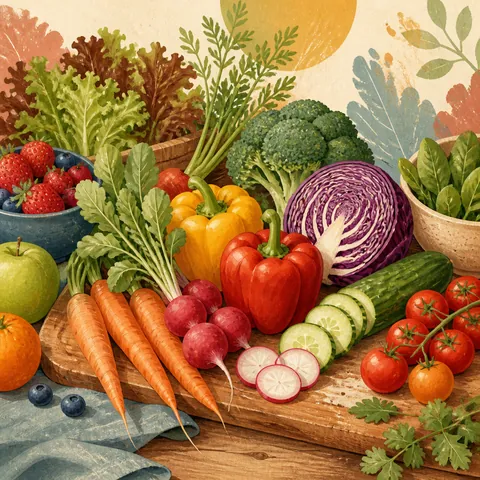
Friends tasting fresh takeout drinks on a train while looking at the sky
Vocabulary overview

First, see the whole set.

A delay can make everyone hungry. These six words name the feeling, a first taste, and the timetable.

Vocabulary 01 / 06
01 A friendly illustration showing thirsty
()

thirsty

Model sentence
What to notice

渴 is wanting a drink.

Try it

Put 很 before 渴.

Vocabulary 02 / 06
02 A friendly illustration showing hungry
饿(è)

hungry

Model sentence
What to notice

饿 is wanting food. 了 shows the new feeling.

Try it

Practice 我饿了.

Vocabulary 03 / 06
03 A friendly illustration showing to taste
(cháng)

to taste

Model sentence
What to notice

尝 is trying a little food.

Try it

You will often hear 尝尝.

Vocabulary 04 / 06
04 A friendly illustration showing fresh
(xīn)(xiān)

fresh

Model sentence
What to notice

新鲜 is newly made or not old.

Try it

Put 很 before 新鲜.

Vocabulary 05 / 06
05 A friendly illustration showing to be delayed
(wǎn)(diǎn)

to be delayed

Model sentence
What to notice

晚点 means it is later than planned.

Try it

You already know 点 as o'clock from earlier study.

Vocabulary 06 / 06
06 A friendly illustration showing to take off
()(fēi)

to take off

Model sentence
What to notice

起飞 is a plane leaving the ground. You already know 飞.

Try it

Practice 起飞了.

Vocabulary match

Connect word, pinyin, and meaning.

Pick one item from each column. When all three belong together, they lock in as a match.

Word
    Pinyin
      Meaning
        Grammar

        One pattern holds the lesson together.

        渴 and 饿 are states. 尝 lets you try a little before you decide.

        Grammar 01 / 01
        渴 / 饿 / 尝

        Hungry, thirsty, and a first taste

        渴 is thirsty. 饿 is hungry. 尝 is trying a little food. 晚点 and 起飞 talk about the train or plane schedule around the meal.

        Writing drill

        Type your answer.

        Translate: I am very thirsty.

        Put 很 before 渴.

        Writing drill 02 / 02

        Type your answer.

        Write the Chinese word for "to take off".

        起飞 is a plane leaving the ground. You already know 飞.

        Reading practice

        Continue in order when you can. You can also open any app lesson whenever it is useful.

        (wǎn)(diǎn)(le)

        A delayed snack

        (ān)()()(hěn)()(gāo)(tiě)(wǎn)(diǎn)(le)

        ()()()饿(è)(le)()(cháng)(cháng)(fāng)便(biàn)(miàn)

        ()(wén)(hěn)(xīn)(xiān)

        (liú)(míng)(fēi)()()(fēi)(le)()(men)(zuò)(gāo)(tiě)

        Reading check

        Did you follow the story?

        Choose the best answer for each question.

        Question 1: How does 安娜 feel?
        Question 01

        How does 安娜 feel?

        Question 2: What happened to the high-speed train?
        Question 02

        What happened to the high-speed train?

        Writing practice

        Write a full sentence.

        Write one sentence saying you are hungry.

        Official self-assessment

        Review official lessons 1 to 3.

        Type your answer in Chinese or English where it fits.

        Review official lesson 4: How do you say this hotel is different from the others?

        Official self-assessment 02 / 03

        Review official lessons 1 to 3.

        Type your answer in Chinese or English where it fits.

        Review official lesson 5: How do you say only photos like these look good?

        Official self-assessment 03 / 03

        Review official lessons 1 to 3.

        Type your answer in Chinese or English where it fits.

        Review official lesson 6: How do you say you can even order takeout on the high-speed train?

        Lesson complete

        Nice work finishing this part.

        You have reached the textbook self-assessment point. Take a moment to review official lessons 1 to 3 before continuing.

        Would you like more lessons like this one?